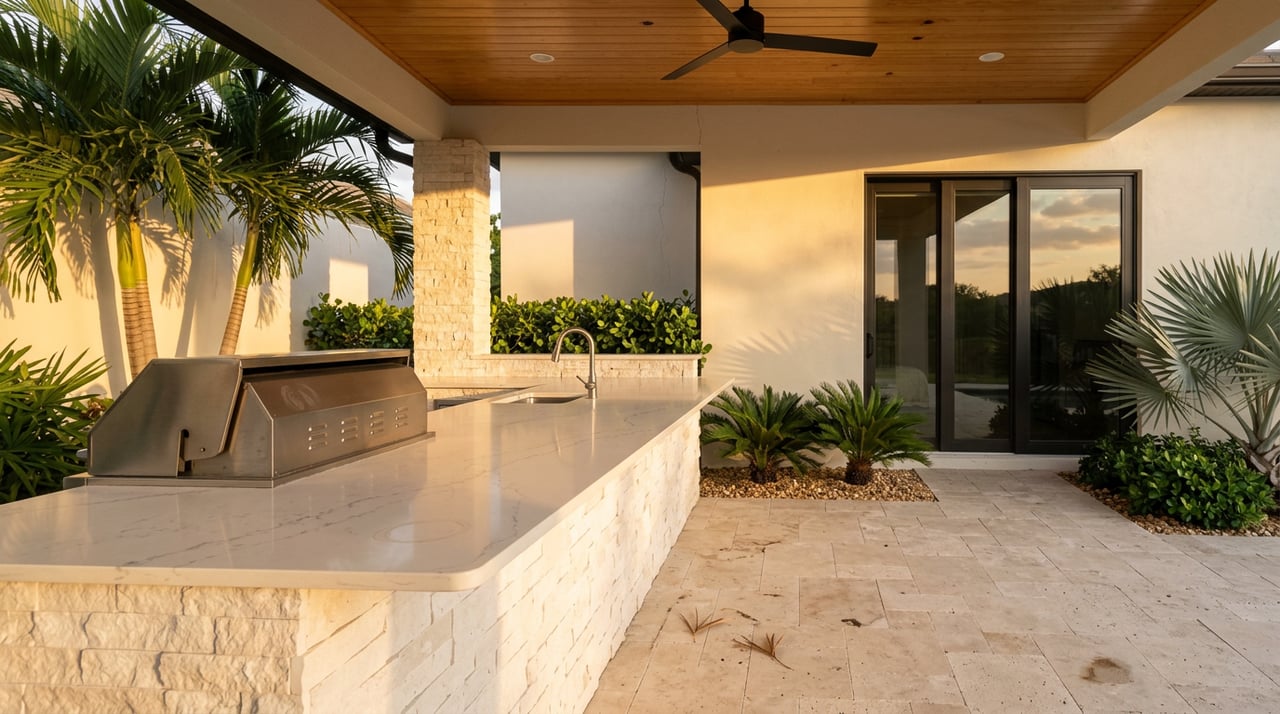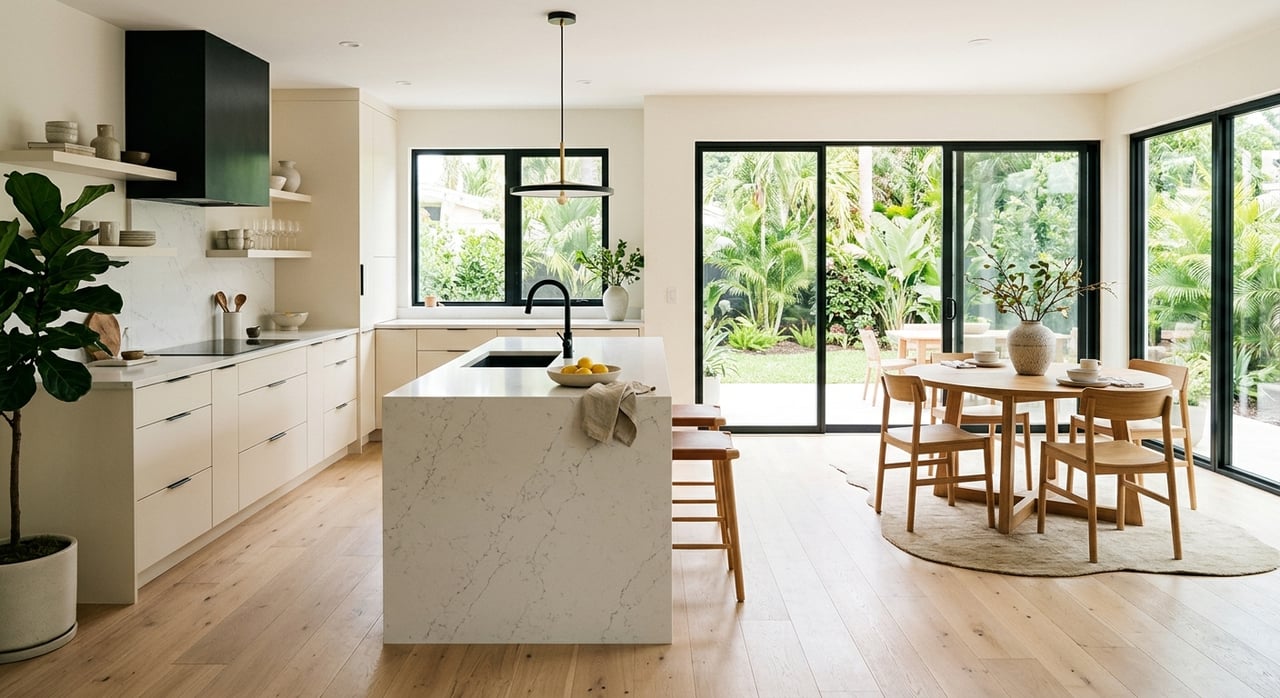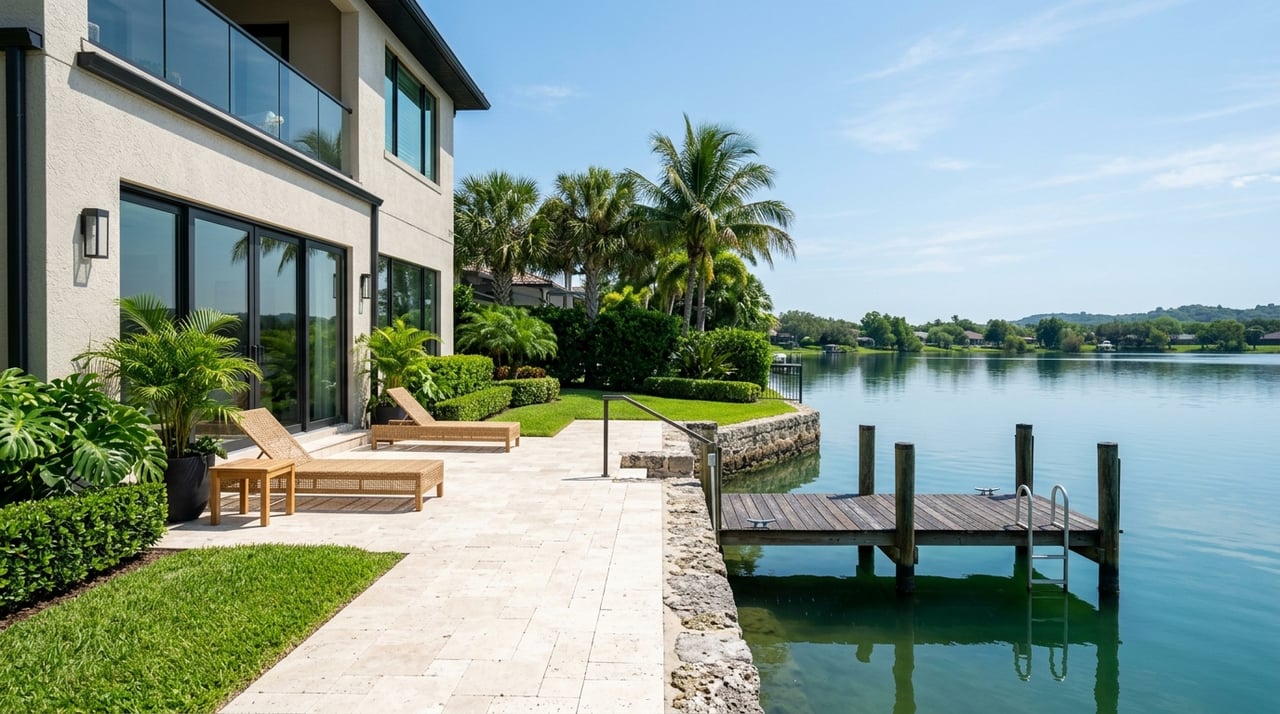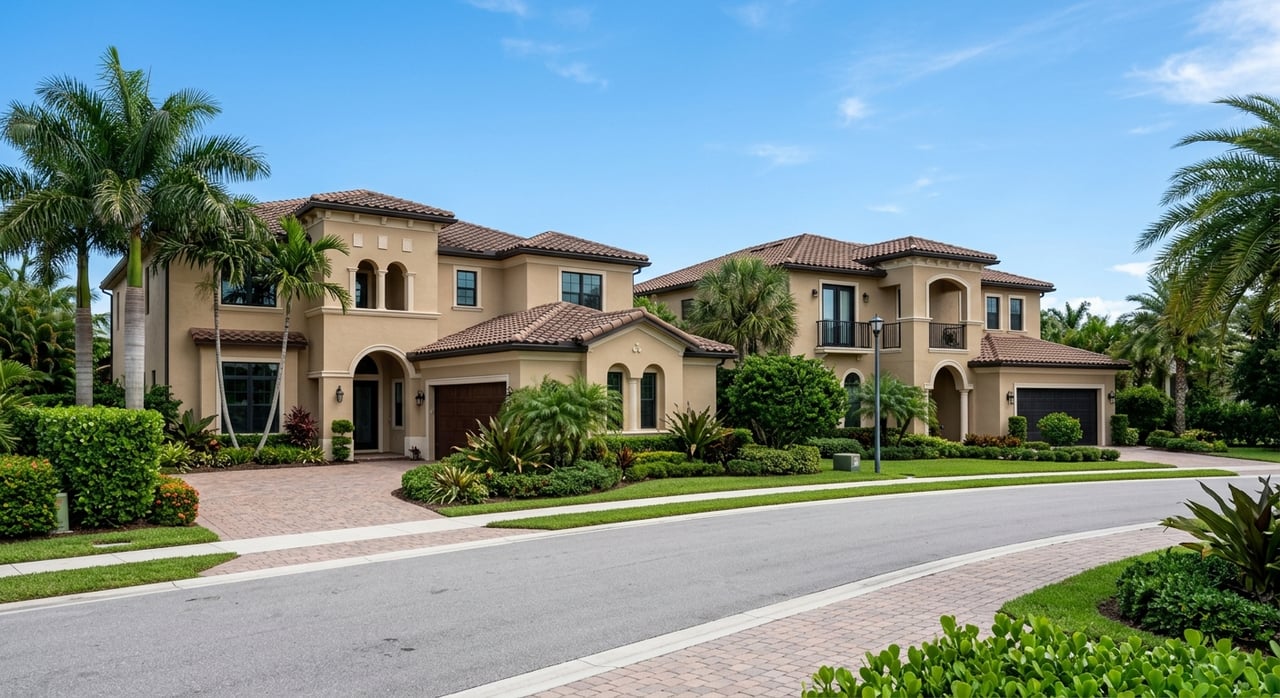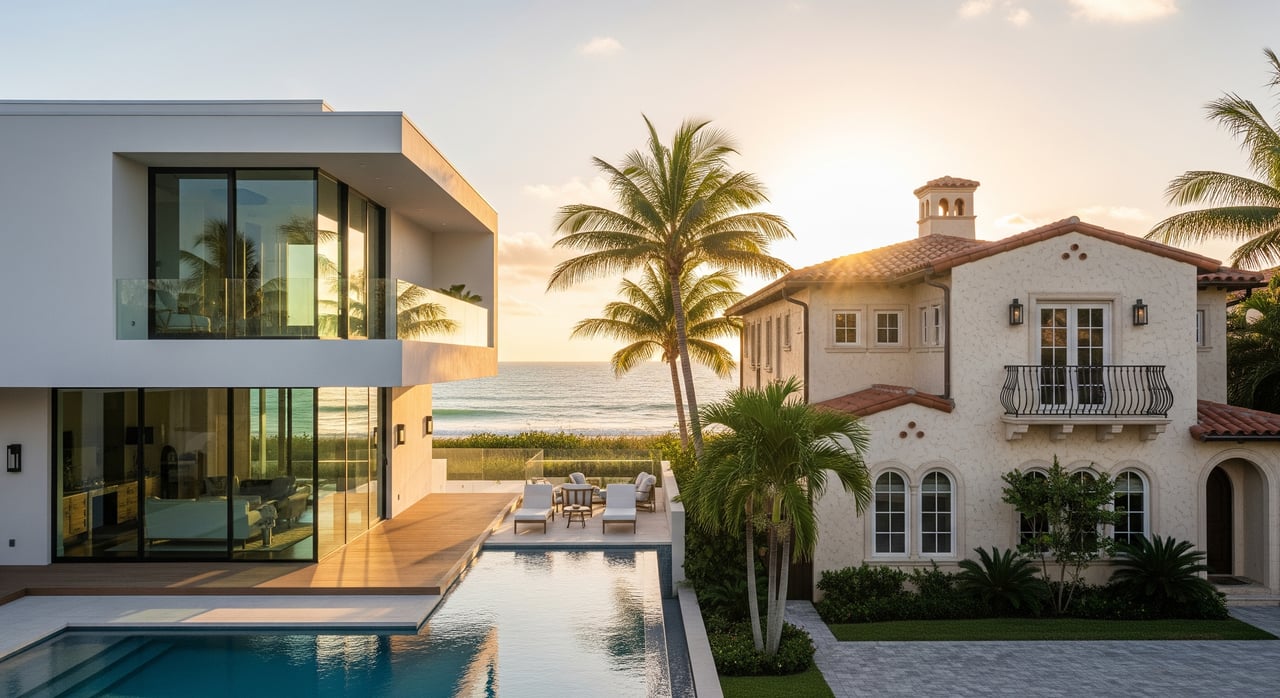
Trying to choose between a sleek new build in a gated community and a charming east‑of‑95 home near Atlantic Avenue? You are not alone. Buyers in Delray Beach often weigh lifestyle, cost, and timing before making the call. In this guide, you will learn the key tradeoffs, true cost factors, and a practical decision path to pick the right fit for you. Let’s dive in.
New vs resale: the big picture
If you value proximity to the beach and downtown Delray, east‑of‑95 resales are hard to beat for location and neighborhood character. You will often get mature landscaping and a walkable lifestyle. Expect older systems and possible updates.
If you prefer turnkey living with amenities, GL‑style new builds west of I‑95 deliver gated security, clubhouses, and newer mechanicals. You are paying a premium for modern construction, energy‑efficient systems, and amenities, but you gain lower near‑term maintenance.
Resales usually close faster and offer more negotiability. New construction can face build delays and change orders, so your timeline and tolerance for uncertainty matter.
Cost breakdown: from purchase to ownership
Purchase price and value per square foot
- New construction often lists at a higher price and higher price per square foot because it bakes in land, infrastructure, amenities, and builder margins. Incentives can help reduce the net cost.
- Resales typically start lower and can be more negotiable on price, credits, or repairs, especially with motivated sellers.
Upgrades and allowances
- Builders price a base model with limited allowances. Popular upgrades such as kitchen packages, flooring, lighting, pools, and landscaping add up fast.
- Resales may need updates, but you can phase improvements over time and tailor them to your taste.
Incentives and concessions
- Builders commonly offer rate buydowns, closing cost contributions, appliance packages, upgrade credits, reduced lot premiums, or discounted initiation fees where applicable. These vary with inventory and timing.
- Resale sellers may provide price reductions or repair credits. Off‑market situations can produce deeper discounts.
Closing costs, taxes, and assessments
- Florida charges documentary stamp taxes on deeds and mortgages. Builders sometimes help with closing costs, which can improve your net.
- New construction may be assessed at a lower value initially, then increase after reassessment. Master‑planned communities can have early‑phase assessments for infrastructure.
- Resales come with an existing assessed value and possibly a homestead exemption if you qualify. Always review the latest assessment details.
Insurance realities in coastal Palm Beach County
- East‑of‑95 properties are more likely to be in higher flood risk zones and can require flood insurance. Windstorm exposure can also raise premiums.
- Newer homes often meet current wind‑mitigation codes. Features like impact glass, roof tie‑downs, and elevation can earn insurance credits. Verify what is included and what qualifies for discounts.
Maintenance and replacements
- New builds generally offer lower maintenance early on because roofs, HVAC, and appliances are new.
- With resales, budget for near‑term replacements based on the age of major systems. A thorough inspection helps you plan.
HOA and club dues
- GL‑style communities typically have higher HOA dues to support security, amenities, and reserves. Dues can rise as amenities come online and reserves build. Some communities have separate club fees.
- East‑of‑95 condominiums and HOAs vary widely. Older buildings can face special assessments for structural or roof work. Review reserve studies, budgets, and meeting minutes before you decide.
Timelines, inspections, and warranties
Incentives and where to negotiate
- Strong levers with builders include rate buydowns, closing cost contributions, popular upgrades, and reduced lot premiums. Timing matters. End of quarters, model closeouts, or slower seasons can help your case.
- Arrive with a solid pre‑approval from a lender that knows local new construction. Ask for detailed allowance lists and a clear upgrade pricing sheet.
Construction timelines and delays
- Quick‑move‑in models can close in 30 to 60 days. Contract builds usually take 6 to 12 months or more depending on lot readiness, weather, permits, and supply chain.
- If you must move within 60 to 90 days, resale is often the safer path. If you are flexible and want customization, new construction can be worth the wait.
Inspections and warranties
- Order independent inspections for both. For new builds, schedule at key milestones such as pre‑drywall and final. Many builders allow reasonable access.
- Typical builder packages include a short cosmetic warranty, a systems warranty, and a longer structural warranty. Always get the written terms and understand coverage, claim steps, and deadlines.
- In Florida, confirm the builder’s license and status before you sign. Understanding the claim process and your protections helps you avoid surprises.
Appraisal and financing pitfalls
- New neighborhoods can lack comparable sales, which may constrain appraisals. If the appraisal comes in low, you may need to bridge the gap or renegotiate.
- Builders may offer in‑house financing incentives. You can also use an experienced local lender familiar with construction and permanent loan structures.
Lifestyle and HOA realities
Amenities and everyday living
- GL‑style communities focus on resort‑style amenities, social programming, and a turnkey lifestyle. If you want on‑site fitness, pools, and gated entry, this can be a strong match.
- East‑of‑95 resales prioritize walkability to the beach, dining, and downtown events. Lots are often smaller, and neighborhoods feel more established.
Covenants and restrictions
- Newer communities usually have tighter exterior rules and architectural controls. Review policies on colors, landscaping, leasing, pets, and short‑term rentals.
- Older communities may have relaxed or modified rules but can face enforcement or maintenance challenges. Read the fine print before you commit.
HOA financial health
- Always request the budget, balance sheet, insurance certificates, reserve study, and recent meeting minutes. New HOAs may be building reserves. Older HOAs may be catching up on deferred maintenance.
- If a club is involved, get clarity on initiation fees, monthly dues, and what is optional versus mandatory.
Which path fits you? A quick framework
Use this checklist to align the choice with your goals:
- Timeline: need to move within 60 to 90 days, or flexible for 6 to 12 months.
- Customization: prefer picking finishes and layouts, or willing to renovate over time.
- Budget tolerance: consider total landed cost, including upgrades, HOA, insurance, taxes, and maintenance.
- Lifestyle: walkable beach and downtown access or gated amenities and a programmed social calendar.
- Risk tolerance: comfort with construction delays and change orders or preference for certainty and inspection‑based negotiations.
Smart negotiation and buying tactics
- Bring strong lender support. A pre‑approval from a lender experienced with Delray Beach new construction can set the tone with builders.
- Ask for the full allowance list and upgrade pricing chart. Negotiate for popular inclusions like appliances, window treatments, and landscaping.
- Focus concessions on rate buydowns or closing costs. This can help you net a better monthly payment and support the appraisal.
- Use timing to your advantage. Builder goals shift by quarter and inventory levels, and resales are often most negotiable after key market days on market.
- For resales, explore off‑market leads. Pocket listings, estates, and expired listings can uncover motivated sellers.
Due diligence checklist before you sign
- New construction: verify builder license, review the written warranty, request energy and wind‑mitigation documentation, study HOA budgets and rules, schedule independent inspections at milestones, and get realistic timelines with escalation clauses.
- Resale: order a comprehensive home inspection and specialist reports as needed, review permits and past renovations, confirm flood zone and ask for any elevation certificate, obtain HOA financials and minutes, and include appraisal and inspection contingencies when financing.
Local help that moves you forward
Buying in Delray Beach is about fit, timing, and net cost. You want a plan that matches how you live and what you value. A local advisor can help you compare true costs, read HOA financials, and negotiate builder incentives or resale credits so you land the best outcome.
If you are ready to compare specific neighborhoods, incentives, or off‑market opportunities, connect with AJ Bergman for a focused, step‑by‑step plan tailored to your timeline and budget.
FAQs
Are new construction homes more expensive in Delray Beach?
- Generally yes. New builds often have higher list prices and price per square foot, though incentives and lower early maintenance can improve the overall value.
How fast can I close on a new build versus a resale in Delray Beach?
- Quick‑move‑in models may close in 30 to 60 days, while contract builds can take 6 to 12 months or more. Resales usually close faster, depending on financing and inspections.
What insurance should I plan for near the coast in Delray Beach?
- Expect windstorm coverage and, in many east‑of‑95 locations, flood insurance. Newer homes may qualify for wind‑mitigation discounts if they include impact features.
Do I still need inspections on brand‑new homes in Delray Beach?
- Yes. Independent inspections at pre‑drywall and final stages help catch punch‑list and system issues before closing and within warranty windows.
Can I negotiate with Delray Beach home builders on price or terms?
- You can often negotiate via rate buydowns, closing cost contributions, upgrade packages, or timing advantages such as end‑of‑quarter goals.
What HOA documents should I review before buying in Delray Beach?
- Ask for the budget, balance sheet, reserve study, insurance certificates, and recent meeting minutes, plus rules on leasing, pets, and exterior changes.