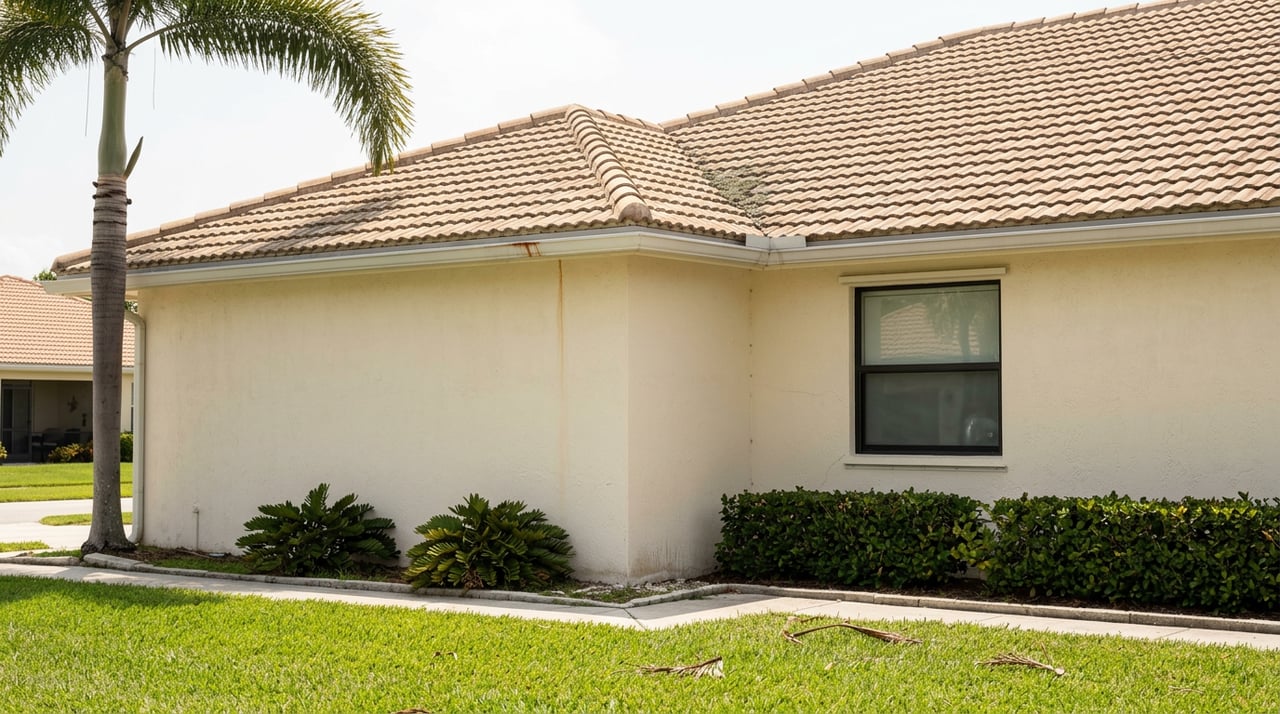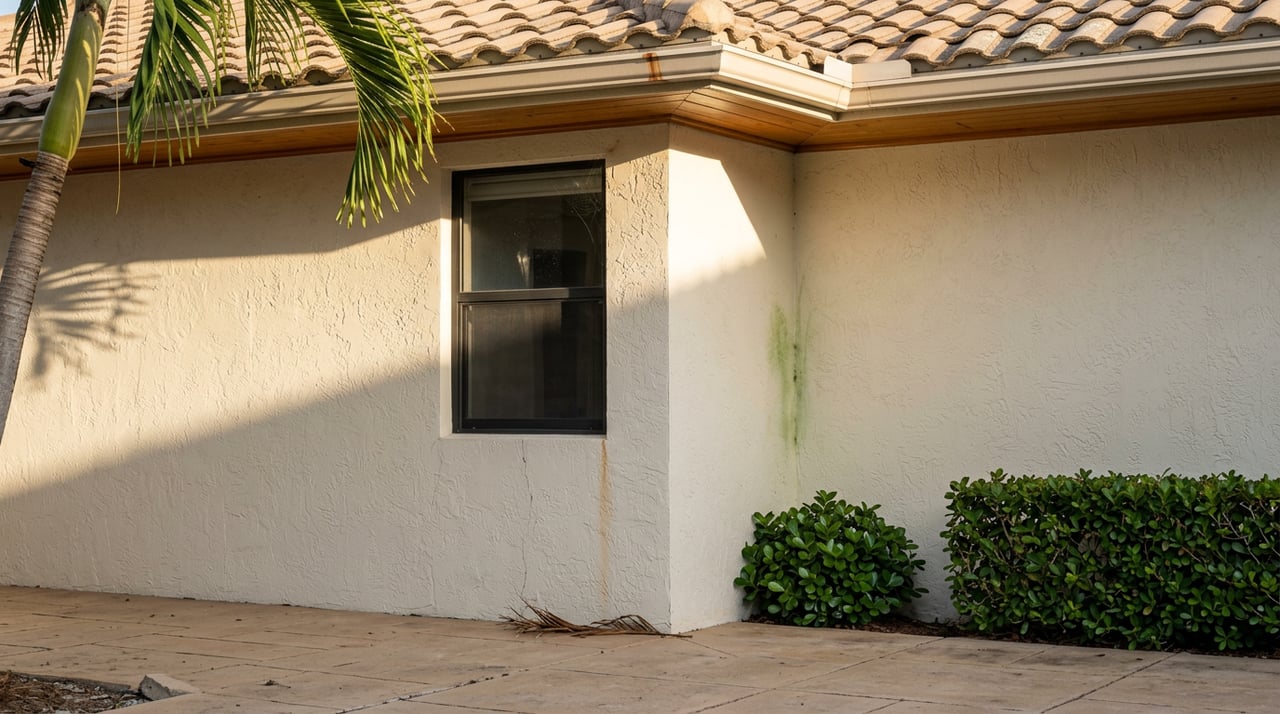
Are rising insurance costs making you second-guess a home in Boca Falls? You’re not alone. In Palm Beach County, wind and hurricane risk drive premiums, and the details on your roof, windows, and permits can make a real difference. In this guide, you’ll learn how insurance works for West Boca homes, how wind mitigation credits are earned, what upgrades cost, and the practical steps to take before and after closing. Let’s dive in.
Insurance basics for Boca Falls buyers
In Florida, homeowners policies typically cover your structure, personal property, and liability. The wind and hurricane portion is usually the biggest cost driver for West Boca. Many policies include wind coverage but use a separate wind or hurricane deductible. This is often a percentage of your dwelling limit, commonly around 1% to 5% depending on the carrier and policy.
Flood is separate from homeowners insurance. Even though Boca Falls is inland West Boca, your lender may still require flood insurance depending on the FEMA flood zone. You can buy flood coverage through the NFIP or a private flood insurer.
Insurers also pay close attention to roof age and condition. Some carriers will not write or renew a policy if the roof is past a certain age or if its condition is uncertain. A roof certification or documentation of a permitted reroof can help keep options open and costs reasonable.
Wind mitigation explained
Wind mitigation means building features that reduce damage from wind and wind‑driven rain during tropical storms and hurricanes. Insurers reward these features when they are documented. Key elements include:
- Opening protection such as impact‑resistant windows or shutters
- Roof covering type and condition
- Roof deck attachment method and nail pattern
- Roof‑to‑wall connections like clips or straps
- Secondary water resistance under the roof covering
- Roof shape, where hip roofs generally perform better than gable roofs
- Gable end bracing for gable roof systems
How wind credits work
Insurers grant credits for documented mitigation features. To qualify, you need a wind‑mitigation inspection report plus supporting evidence like photos, permits, and invoices. Carriers usually apply credits at renewal after verification. Some will apply them midterm once they review your documentation.
Make sure a qualified professional completes the inspection. Carriers often accept reports from licensed home inspectors, licensed contractors, professional engineers, or registered architects. Confirm the credential requirements with your insurer before you schedule the inspection.
What savings look like
Savings vary by carrier, your policy, and which features your home has. Many homeowners see meaningful reductions in the wind portion of their premiums, from single‑digit to double‑digit percentages. Larger reductions are possible when multiple features are present.
There is no one‑size‑fits‑all number. Credits depend on things like opening protection, roof structure details, and whether your insurer recognizes the specific measures. The best path is to complete the inspection and request quotes from your preferred carriers so you can compare apples to apples.
Common upgrades and local costs
Below are typical Palm Beach County upgrades, ballpark costs, and how insurers view them. Actual pricing depends on home size, roof complexity, and permit needs. Always get multiple written estimates.
Impact‑resistant windows and doors
- Typical cost: about $10,000 to $40,000 for an average single‑family home
- Insurance impact: often one of the largest contributors to wind credits
- Tips: Confirm product approvals and permits, and keep invoices
Hurricane shutters
- Typical cost: about $3,000 to $15,000 depending on style and coverage
- Insurance impact: qualifies as opening protection, usually at a lower cost than impact glass
- Tips: Accordion or roll‑down systems can improve convenience and compliance
Roof covering replacement (reroof)
- Typical cost: about $8,000 to $40,000+ depending on size and material
- Insurance impact: newer, permitted roofs tend to expand carrier options and reduce surcharges
- Tips: Install to current code and save all permit documents
Roof deck attachment upgrades
- Typical cost: about $1,000 to $6,000+ for retrofits, more efficient during a reroof
- Insurance impact: recognized by many insurers for credits
- Tips: Consider combining with a reroof for better access and lower incremental cost
Roof‑to‑wall connectors (hurricane straps or clips)
- Typical cost: about $1,000 to $6,000+ depending on access and roof size
- Insurance impact: helps earn structural resilience credits
Secondary water resistance (SWR)
- Typical cost: often an incremental add‑on during a reroof
- Insurance impact: valued by many carriers for wind‑driven rain protection
Gable end bracing
- Typical cost: about $500 to $3,000
- Insurance impact: improves performance for gable roofs and may earn credits
Roof certification
- Typical cost: about $75 to $300
- Insurance impact: helps satisfy carrier requirements for roof age and condition
When planning, weigh your premium reduction against the upgrade cost and your roof’s remaining life. Impact windows offer strong protection and potential credits, but shutters can be a cost‑effective path to qualifying opening protection. Structural retrofits are often most efficient when bundled with a reroof.
Smart timing for Boca Falls buyers
Here is a practical path to follow as you move from offer to closing and beyond:
- Early identification
- During the offer and inspection window, confirm roof age, any visible opening protection, and permit history. Ask the seller for roof paperwork and any prior wind mitigation report.
- Schedule a wind mitigation inspection
- Arrange a qualified inspector or contractor to complete the standard wind mitigation report. The on‑site visit typically takes 30 to 90 minutes. Book early to avoid closing delays.
- Get contractor estimates
- For any needed upgrades, obtain 2 to 3 written bids. Confirm the contractor will pull permits and provide final inspection documentation.
- Share documentation with insurers
- Send the mitigation report, permits, and invoices to your insurance options and request quotes with credits applied. Ask when credits will take effect and which features are recognized.
- Plan your timeline
- Credits usually apply at renewal after verification. Some carriers will apply midterm. In Palm Beach County, a reroof can take 2 to 8 weeks from contract to completion depending on scope and permitting.
- Organize records
- Keep copies of final permits, invoices, product approvals, photos, and the signed mitigation report. These support your policy now and help with resale later.
- Coordinate closing
- If upgrades need to happen before closing, align the timing in your purchase contract. Ensure contractors are licensed and insured, and secure any HOA approvals for exterior work.
- Follow up post‑purchase
- After work is complete, submit everything to your carrier and confirm credits on your renewal bill. Respond quickly if the insurer requests more evidence.
Budget and documentation tips
- Get multiple estimates and compare scope, materials, permits, and timelines.
- Require permits and final inspections for all structural or exterior work.
- Save product approvals, especially for impact glass or shutters.
- Confirm installation photos are included in your documentation package.
- Ask insurers upfront which credits they recognize and what proof they require.
How AJ Bergman helps Boca Falls buyers
A smooth insurance and mitigation plan comes from local coordination. AJ’s team can help you:
- Identify qualified local inspectors and vetted contractors
- Collect seller documents and confirm permit histories
- Schedule and track the wind mitigation inspection
- Package and submit reports and permits to your insurance contacts
- Align upgrade timing with inspections and closing dates
Bergman Realty Group pairs neighborhood expertise with a full‑service approach, so you can move fast, reduce friction, and keep your purchase on track.
Your next steps
- If you are early in the process, schedule a wind mitigation inspection and request seller records now.
- If you need upgrades, gather two or three written bids and confirm permits are included.
- Share your documentation with insurers and compare quotes that reflect credits.
- Lean on a local team to coordinate the moving parts and keep timelines tight.
Ready to make your Boca Falls purchase simpler and smarter? Connect with AJ Bergman to map your insurance strategy, coordinate inspections, and keep your closing on schedule.
FAQs
What should Boca Falls buyers know about Florida homeowners insurance?
- In Florida, wind and hurricane risk drives premiums, wind deductibles are usually percentage‑based, and flood insurance is separate and may be required by your lender.
What is a wind mitigation inspection and who can do it?
- It is a standardized evaluation of features like opening protection and roof attachments, and carriers often accept reports from licensed inspectors, contractors, engineers, or architects.
How soon do wind mitigation credits show up on my policy?
- Credits typically apply at renewal after the insurer verifies your documentation, though some carriers will apply them midterm once they review your report.
Which upgrades most often help insurance costs in Palm Beach County?
- Opening protection (impact windows or shutters) and roof‑related features such as newer permitted roofs, roof‑to‑wall connectors, and secondary water resistance often contribute meaningful credits.
Do I need flood insurance in Boca Falls if I have homeowners insurance?
- Flood is not included in homeowners policies, and coverage may be required by your lender depending on the FEMA flood zone, so verify your property’s zone and lending requirements.
Should I complete upgrades before or after closing on a Boca Falls home?
- If timing and permits allow, completing upgrades before closing can simplify documentation and negotiations, but many buyers plan the work post‑closing and submit proof for future credits.