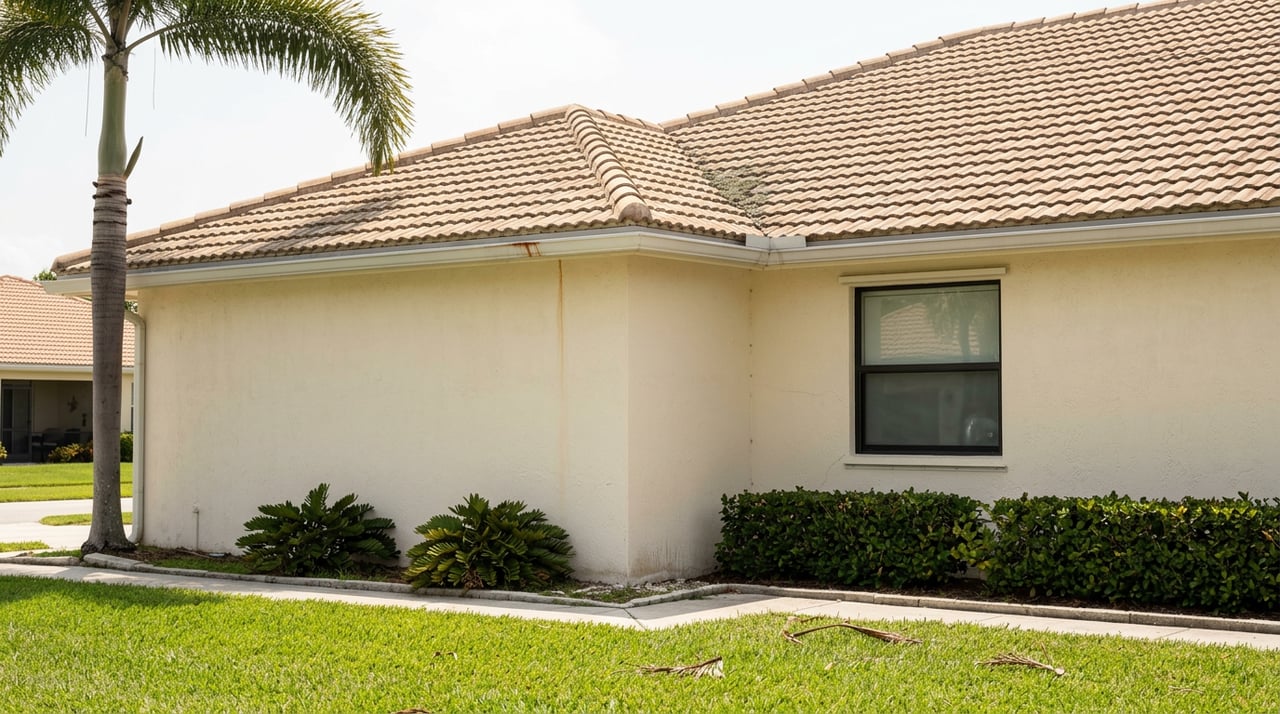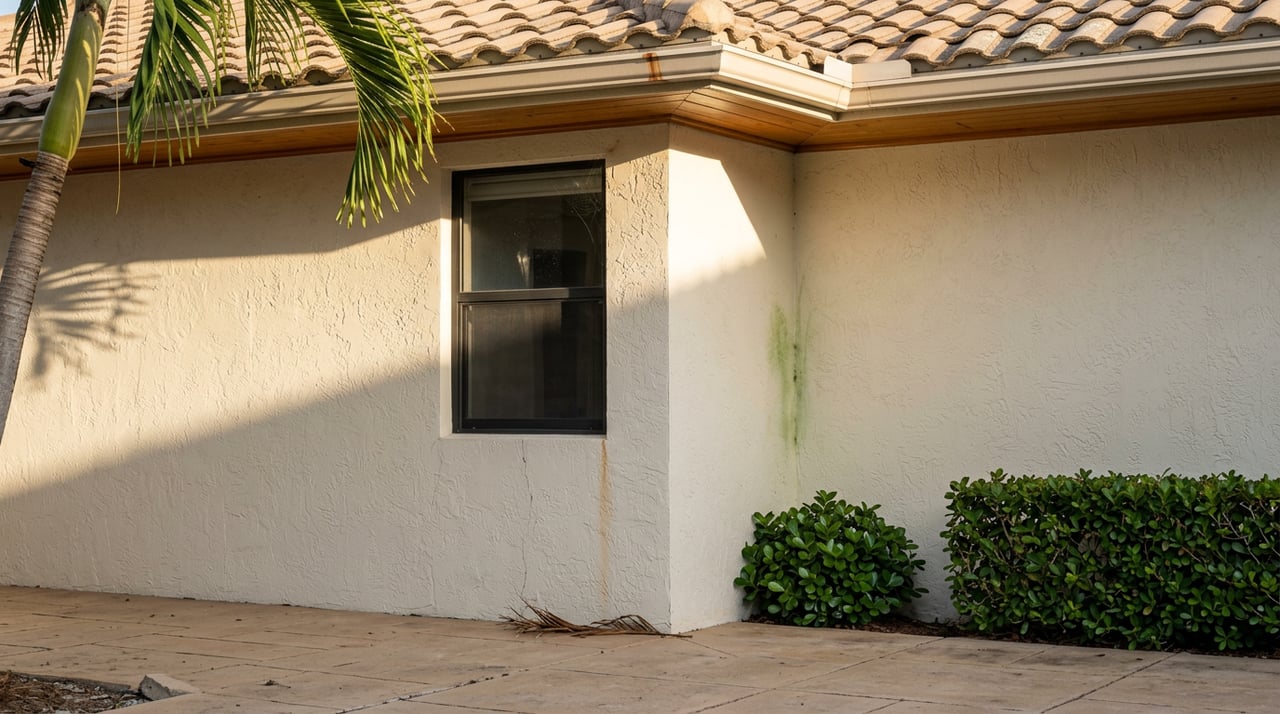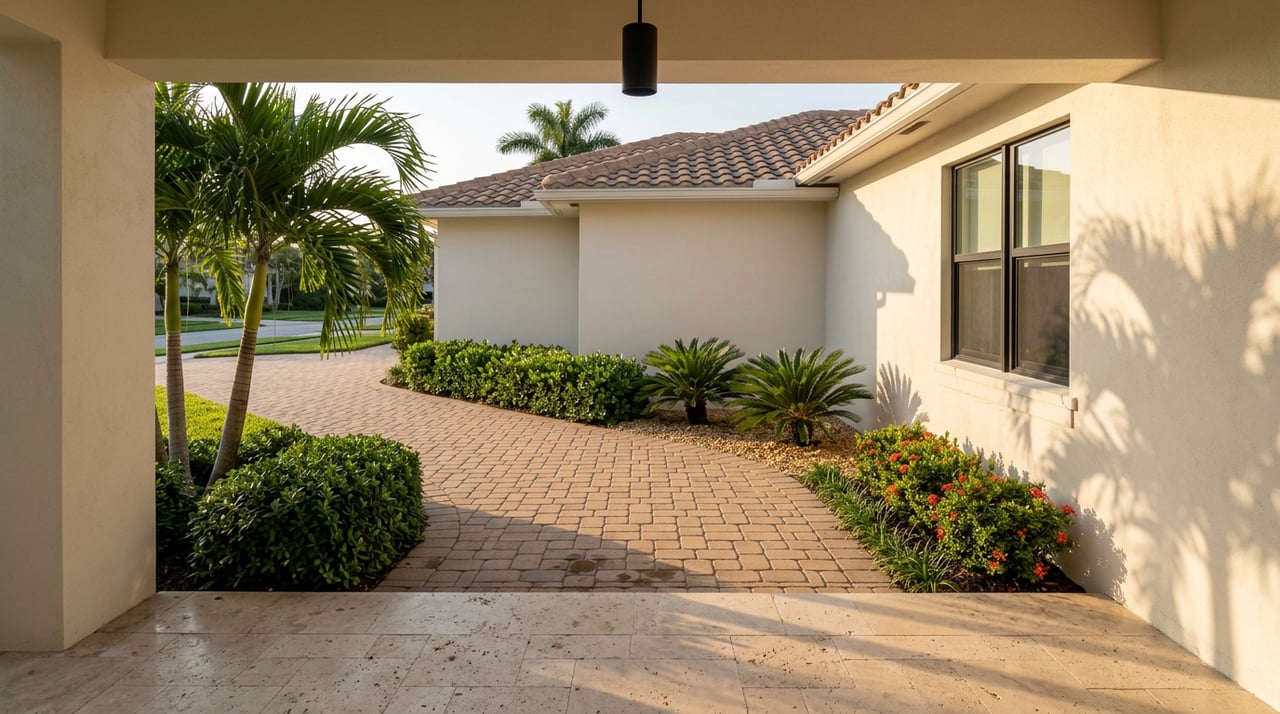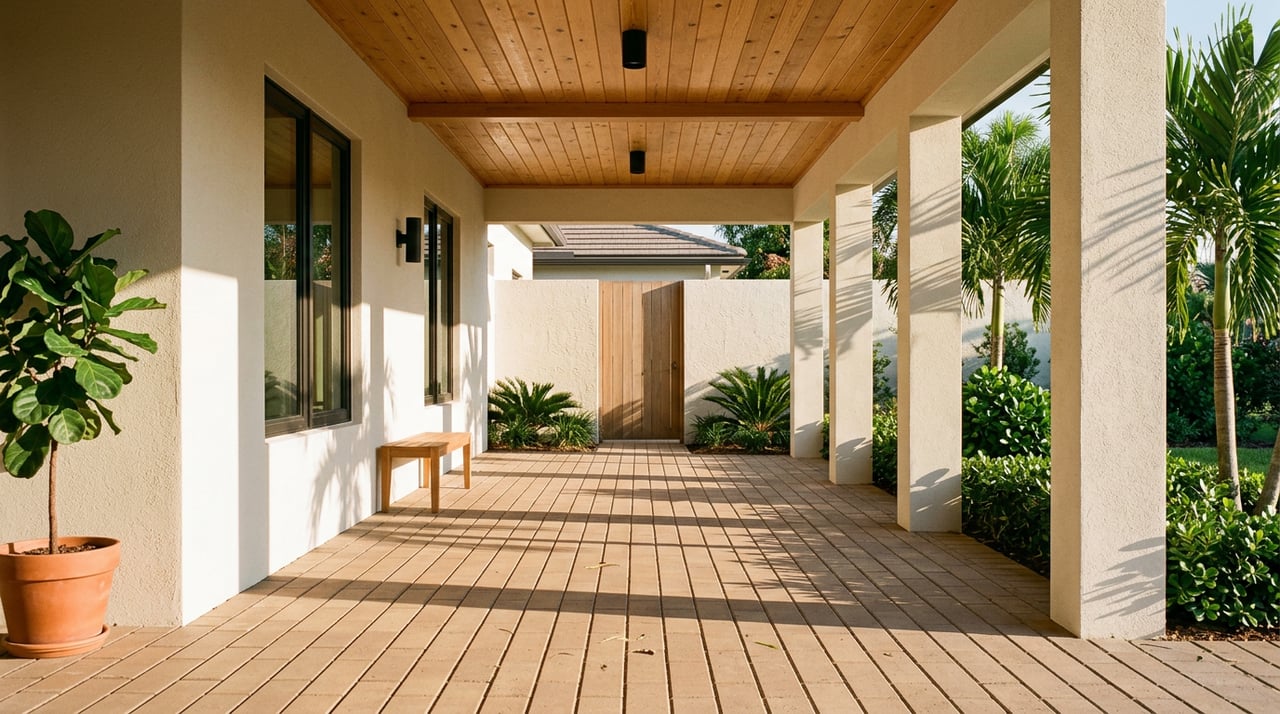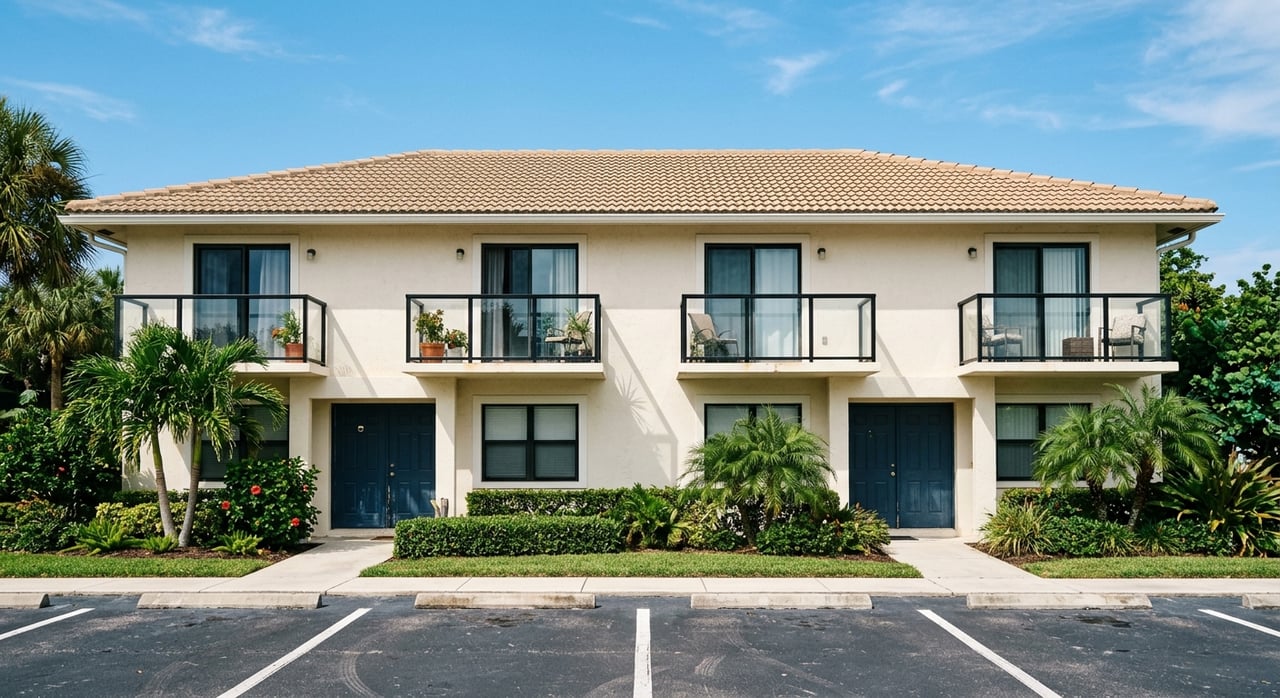
If you are looking for a South Florida investment that feels more stable than speculative, Coral Springs deserves a closer look. This is not a market built around constant turnover or endless new construction. It is a built-out suburban city with a strong owner-occupied base, a meaningful renter population, and a mix of condos, townhomes, and single-family homes that can fit different investment strategies. If you want to understand where rentals and starter homes may fit into your plan, this guide will help you think through the numbers, the product types, and the local rules. Let’s dive in.
Why Coral Springs Stands Out
Coral Springs offers a mix that many investors look for: solid household income, relatively stable residency, and a meaningful rental market. Census data shows 140,808 residents, a 60.3% owner-occupied rate, and a 39.7% renter-occupied rate. The city also reports a median household income of $90,643 and median gross rent of $2,084.
That combination points to a suburban market with steady housing demand rather than a highly transient renter base. Census data also shows 87.7% of residents lived in the same house one year earlier, with an average household size of 3.01 people. For you as an investor, that suggests long-term tenancy may be more realistic than chasing constant tenant turnover.
Coral Springs Market Snapshot
Recent data shows an active market, but not one that looks wildly overheated. Redfin reported a March 2026 median sale price of $560,000, with homes receiving about two offers on average and selling in roughly 66 days. Zillow reported an average home value of $520,102 and homes going pending in about 46 days.
Realtor.com described Coral Springs as balanced, with 799 homes for sale, 962 rentals, a median listing price of $350,000, and a median rental price of $2,300. These numbers come from different methodologies, so they are best used as directional signals instead of direct apples-to-apples comparisons. Still, the broader takeaway is useful: Coral Springs appears active, but buyers and investors still have room to evaluate options carefully.
What Property Types You Will Find
Coral Springs is not a one-product market. The city’s comprehensive plan preserves low-density detached single-family areas, moderate-density areas with options like townhouses and attached housing, and higher-density multi-unit housing. That means your search can include detached homes, condos, and townhomes depending on your budget and strategy.
This matters because the right property type depends on your goal. If you want lower entry pricing, condos and townhomes may offer a more accessible path. If you want a longer-term hold with broader resale appeal, a smaller single-family home may be worth a closer look.
Why 2- and 3-Bedroom Layouts Matter
In Coral Springs, layout may matter as much as price. Point2’s ACS-based profile shows that 2-bedroom rentals make up the largest share of the rental stock, followed by 3-bedroom rentals. It also reports a median renter household size of 2.96 and a median number of rooms of 4.1.
Taken together, that suggests 2- and 3-bedroom homes are often the most practical default for long-term rental demand. These layouts can fit a range of household needs without pushing you into the highest purchase prices in the city. If you are narrowing your buy box, starting with functional 2-bedroom and 3-bedroom options is a reasonable place to begin.
Where Starter-Home Price Points Appear
One of the more interesting parts of Coral Springs is that entry points are not uniform across the city. Realtor.com’s March 2026 neighborhood-level data showed median prices around $174,000 in Coral Springs Condominiums, $185,000 in Royal Land, $199,500 in Village Green, $216,000 in Ramblewood South, $227,000 in Forest Hills, $227,900 in Country Club, and $299,000 in Cypress Run.
That spread tells you something important. Coral Springs still offers lower-cost condo and townhome entry points, but detached-home opportunities may sit at a higher price tier. If your strategy is to control risk and keep your basis lower, a condo or townhouse may be the cleaner starting point. If you are thinking about longer-term appreciation and resale flexibility, a small single-family home may deserve stronger consideration.
Built-Out City, Different Supply Story
Supply in Coral Springs has an important long-term constraint. The city’s SHIP materials describe Coral Springs as built out, with much of the future affordable housing supply likely to come through redevelopment rather than greenfield expansion. In plain terms, there is limited room for major outward expansion.
For investors, that does not guarantee appreciation or rent growth. It does mean supply may not be as easy to add as it is in markets with more open land. When you combine that with stable residency patterns and ongoing housing demand, Coral Springs becomes easier to view as a long-term hold market rather than a quick-churn one.
How To Screen a Deal Quickly
Before you dig into financing, inspections, and detailed pro formas, it helps to use a simple gross-yield screen. Based on Census figures, the median gross rent of $2,084 against the median owner-occupied value of $545,400 suggests a rough gross yield of about 4.6%. Using Zillow’s average rent of $2,342 and average home value of $520,102 suggests a rough gross yield near 5.4%.
These are not final underwriting numbers. They are screening tools. They also do not include taxes, insurance, HOA dues, repairs, vacancy, or management. Still, they can help you decide whether a property deserves a deeper look or should be removed from your shortlist.
Expenses Can Change the Math Fast
In Coral Springs, taxes deserve special attention. Broward County notes that more than 80 taxing authorities can appear on a property tax bill. The total bill can include county, city, school board, water, hospital, and other district charges.
For reference, Broward’s FY2025-2026 county millage is 5.6658, while Coral Springs’ FY2025 operating millage is 6.0232. County taxes are only one part of the total bill, so you should not estimate taxes with a quick guess. If you underwrite a deal too loosely, your projected return can look better on paper than it performs in real life.
Vacancy and Turnover Look Manageable
Rental performance is not just about rent collected. It is also about how often you need to replace tenants and absorb downtime. Point2 reports a 5.7% rental vacancy rate and a median renter move-in year of 2018.
That points to moderate turnover instead of constant churn. Combined with the Census finding that 87.7% of residents lived in the same home one year earlier, the local pattern looks relatively stable. You should still budget for vacancy and make-ready costs, but Coral Springs does not read like a market where you should expect a full reset every year.
Think About Your Exit Early
A good investment plan should include the exit before you close. Redfin reports average time on market around 66 days, while Realtor.com reports a 61-day median and a 97% sale-to-list ratio. That suggests homes are selling, but not instantly.
For you, that means carrying costs matter. If you plan to resell a starter home or dispose of a rental later, pricing strategy and timing should be part of your decision from day one. A property that looks fine on acquisition can become more stressful if you need to sell quickly in a market that still requires patience.
Why Starter Homes Have a Resale Angle
Starter homes are not just about your initial purchase price. They are also about the future buyer pool. Coral Springs offers a Purchase Assistance Program for eligible first-time buyers, including down payment and closing-cost help for residential property in the city.
That does not guarantee an easier resale later. But it does support a reasonable planning assumption that some lower-priced condos or smaller homes may appeal to future first-time buyers who can use local assistance programs. For an investor, that can be a helpful part of the bigger resale picture.
Long-Term Rentals vs Vacation Rentals
If you are comparing long-term rentals with short-term or vacation-rental strategies, Coral Springs makes that distinction important. Any property offered for lease must be registered with the city, and the annual landlord registration fee is $67.60. The city uses that database to contact owners regarding safety issues and emergencies.
Vacation rentals involve more operational friction. The city requires annual registration by September 30, compliance with city ordinances and the Land Development Code, a 24/7 responsible owner or agent, inspection before licensing, a Business Tax Application, a DBPR lodging license, and proof of tourism-development-tax compliance. For many investors, that makes long-term rentals the simpler and more predictable play.
Compliance Is Part of Ownership
Owning a rental in Coral Springs comes with recurring responsibilities beyond basic repairs. City property guidelines emphasize standards for landscaping, garbage, building maintenance, roofs, parking, exterior storage, and other visible conditions. If you own here, ongoing upkeep is part of protecting both your asset and your compliance position.
Florida law also sets key rules for landlords. Chapter 83 of the Florida Statutes requires security deposits or advance rent to be held in a separate Florida account or under a surety bond structure. It also requires landlords to maintain premises in compliance with applicable codes or keep major structural components and plumbing in reasonable working condition.
When Property Management Makes Sense
Not every investor needs full-service management, but many benefit from it. This is especially true if you live outside the area, own multiple units, or want help with leasing, rent collection, maintenance coordination, city registration, inspections, and ongoing compliance.
In a market like Coral Springs, management is not just about convenience. It can also reduce mistakes tied to local administrative requirements. If you want a more hands-off hold, professional property management can be part of protecting your time and your investment.
A Smart Way To Approach Coral Springs
Coral Springs can make sense for investors who want a suburban Broward market with stable demand, multiple property types, and realistic long-term rental potential. It may be especially worth a look if you are focused on 2-bedroom and 3-bedroom layouts, lower-to-mid price entry points, and a buy-and-hold strategy that values consistency over hype.
The key is to stay disciplined. Screen for yield, model taxes carefully, account for vacancy and maintenance, and understand the local registration and compliance rules before you buy. If you want help identifying the right fit, from an entry-level condo to a starter single-family home with rental potential, AJ Bergman can help you evaluate opportunities with a practical, local perspective.
FAQs
Is Coral Springs a good place to buy a rental property?
- Coral Springs can appeal to investors looking for a stable suburban market with a 39.7% renter-occupied rate, moderate vacancy, and a mix of condos, townhomes, and single-family homes.
What rental property size works best in Coral Springs?
- Public data suggests 2-bedroom and 3-bedroom layouts are a strong starting point because 2-bedroom rentals make up the largest share of the local rental stock, followed by 3-bedroom rentals.
Are starter homes in Coral Springs limited to single-family houses?
- No. Coral Springs includes lower-priced condo and townhome entry points as well as higher-priced detached-home options, depending on the area and your budget.
What is a simple way to estimate Coral Springs rental returns?
- A basic gross-yield screen compares annual rent to purchase price or value, but you should also model taxes, insurance, HOA costs, repairs, vacancy, and management before making a final decision.
Do landlords need to register rental property in Coral Springs?
- Yes. The city requires any property offered for lease to be registered, and it charges an annual landlord registration fee of $67.60.
Are vacation rentals in Coral Springs handled the same as long-term rentals?
- No. Vacation rentals have additional registration, inspection, licensing, and operational requirements, including a 24/7 responsible owner or agent.
Why do Broward property taxes need careful review for Coral Springs investments?
- Broward County says a property tax bill can include charges from more than 80 taxing authorities, so taxes should be reviewed carefully rather than estimated too loosely.
Can first-time buyer programs affect a starter-home investment in Coral Springs?
- They can matter for resale planning because Coral Springs offers purchase assistance for eligible first-time buyers, which may help support demand for certain lower-priced homes in the future.