Choosing between East Delray and West Delray is not just about a map. It is about how you want your days to feel. If you are trying to decide between beach-close energy and a more residential routine, this guide will help you compare the lifestyle, housing, and daily convenience on each side of Delray Beach so you can focus on the fit that makes the most sense for you. Let’s dive in.
Where East and West Delray Divide
There is no single official line that defines East Delray versus West Delray, but city planning documents make the practical split pretty clear. In general, East Delray refers to the downtown and beach-side areas closer to Atlantic Avenue, Pineapple Grove, and the coast.
West Delray usually refers to the inland neighborhoods west of I-95, including west Atlantic and the northwest and southwest residential areas. From a lifestyle standpoint, that usually means East Delray feels more connected to downtown and the beach, while West Delray tends to feel more suburban and single-family focused.
East Delray Lifestyle
East Delray is the side of town that many people picture first. It blends downtown activity, beach access, local dining, art, and a more walkable daily rhythm.
If you want to be near Atlantic Avenue, Pineapple Grove, and the shoreline, East Delray often delivers that close-in feel. You may be able to park once and spend the rest of the day walking between restaurants, galleries, shops, and the beach.
Walkability and Beach Access
One of the biggest draws in East Delray is how easy it can be to enjoy short local trips. The city’s Freebee service operates in and around historic downtown, covering most locations east of I-95 to A1A and from Gulfstream Boulevard to SW 10th Street.
Beach access is another major advantage. Delray Municipal Beach spans 1.5 miles of coastline at the east end of Atlantic Avenue, and both Municipal Beach and Atlantic Dunes Park are lifeguard supervised year-round.
Dining and Entertainment
Downtown is the social center of East Delray. City and downtown materials describe it as a mixed-use, pedestrian-oriented district with shopping, dining, art, events, nightlife, and beach access all tied together.
For buyers who enjoy having more to do close to home, that matters. East Delray often fits people who want a livelier pace and the option to step out for dinner, a walk, or a beach visit without making every outing a full car trip.
Housing Style in East Delray
East Delray has some of the city’s most varied housing stock. Near downtown, neighborhoods such as The Set, Osceola Park, Palm Trail, and Lake Ida include a mix of housing types and lot sizes.
You will also find older housing patterns and areas with historic character. City planning documents note that the downtown area developed through the 1940s, and the Seacrest/Del-Ida Park area includes an historic district with Mediterranean Revival buildings from the 1920s.
In the beach area, the housing pattern is intentionally lower-density and coastal in character. Pineapple Grove adds another layer, with a more mixed-use setting where residential-above-commercial development is encouraged.
West Delray Lifestyle
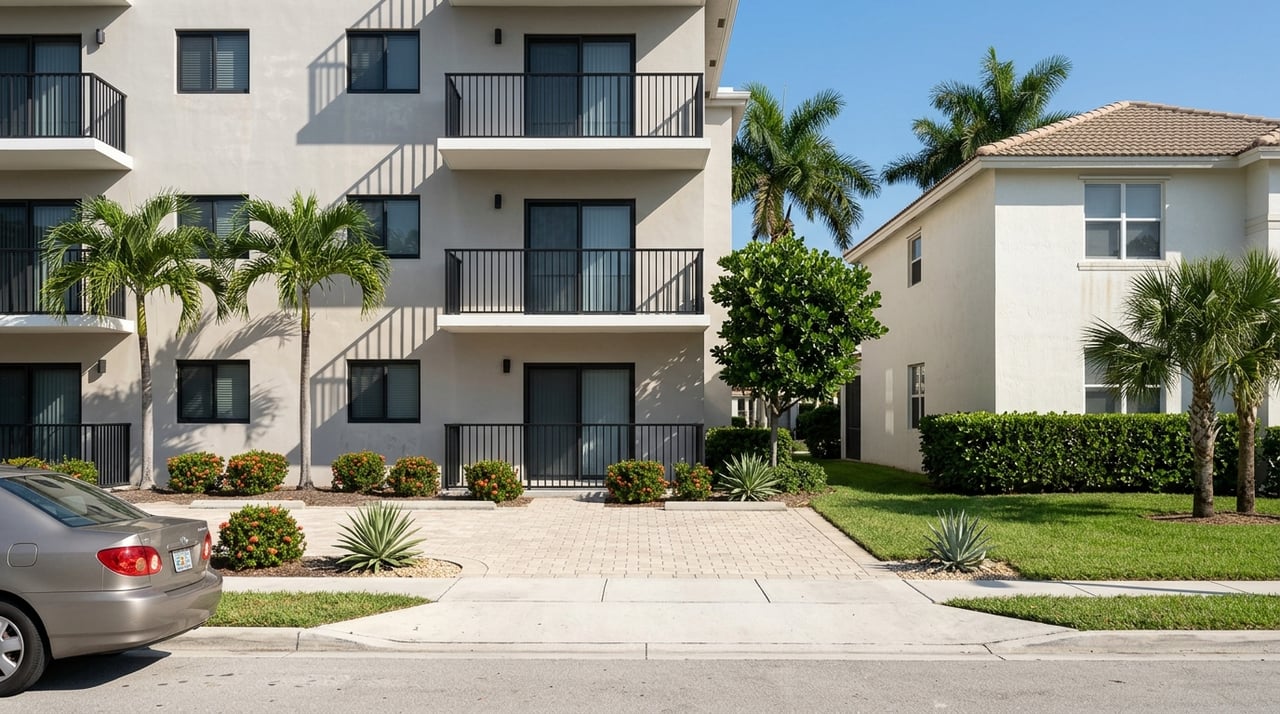
West Delray offers a different kind of appeal. Instead of a downtown-first experience, it tends to deliver a more neighborhood-driven routine with planned communities, single-family homes, and more car-oriented convenience.
If your ideal day involves a quieter residential setting, more green space, and easier highway access, West Delray may feel like a better match. It is often a strong fit for buyers who want home to feel a little more tucked away from the busiest parts of town.
Neighborhood Feel and Home Types
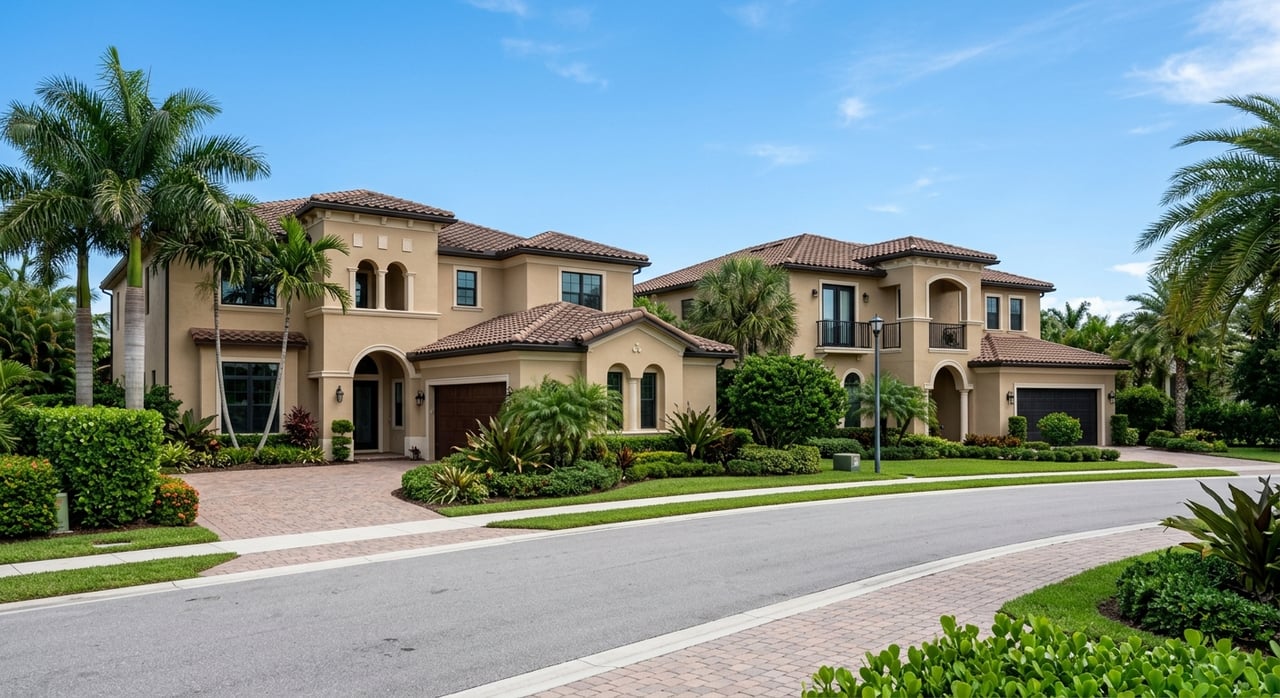
City housing documents describe post-war development west of I-95 as more suburban, with single-family detached homes and planned subdivisions becoming more common. Examples named in city planning materials include Bexley Park, Sabal Lakes, and The Colony.
That does not mean every west-side neighborhood feels the same, but the overall pattern is more residential. For many buyers, that translates to a more traditional neighborhood layout and a daily routine that centers more around home, parks, and errands than downtown foot traffic.
Parks and Outdoor Space
West Delray leans more heavily into neighborhood parks and recreation. Delray Beach maintains more than 40 parks and recreational facilities, and several west-of-downtown options include Bexley Trail Community Park, Orchard View Park, and Catherine Strong Splash Park.
These spaces offer features such as walking trails, nature trails, playgrounds, pavilions, fitness areas, pickleball, basketball, and open green space. If outdoor room and nearby recreation matter to you, West Delray may check more boxes.
Commuting and Daily Convenience
West Delray still connects to downtown and the beach, but daily life often feels more car-forward. City planning materials point to accessibility from I-95 while also noting gaps in sidewalk completeness, multimodal connectivity, and tourist-oriented attractions in some west-side areas.
For some buyers, that is actually a plus. If you want easier freeway access and do not mind driving to the beach or Atlantic Avenue, West Delray may feel more practical for your routine.
East Delray vs West Delray at a Glance
Here is a simple side-by-side look at how the two areas often compare in everyday life.
| Lifestyle Factor | East Delray | West Delray |
|---|---|---|
| Overall feel | Downtown and beach-oriented | More suburban and residential |
| Housing mix | More varied, with historic areas, cottages, mixed-use, and different lot sizes | More single-family homes and planned subdivisions |
| Walkability | Stronger near downtown and the beach | More limited in many areas |
| Beach access | Major advantage | Usually a drive |
| Dining and nightlife | More concentrated and easier to access | More destination-based by car |
| Parks and green space | Available, but urban-coastal setting is the focus | Strong draw for many buyers |
| Commute style | Better for short local trips | Better for highway-oriented routines |
| Parking considerations | City parking programs can help downtown residents | Often easier in more suburban settings |
How to Choose the Better Fit
The best choice usually comes down to how often you want to walk versus drive. If you want your routine to include beach time, downtown dining, and a more active local scene, East Delray may line up better with your lifestyle.
If you would rather have a more residential setting, more park access, and a neighborhood layout centered around single-family living, West Delray may feel more comfortable. Neither side is automatically better. The right choice is the one that supports the way you actually plan to live.
East Delray May Fit You If
- You want to be closer to downtown and the beach
- You enjoy walkable dining, art, events, and nightlife
- You like a broader mix of housing styles
- You are comfortable with a more active, close-in setting
West Delray May Fit You If
- You prefer a more suburban residential environment
- You want a stronger concentration of single-family neighborhoods
- You value nearby parks and outdoor recreation
- You expect to drive more and want easier access to major roads
One Important Thing to Remember
The split between East and West Delray is useful, but it is not absolute. Some west-side neighborhoods are still close enough to downtown for shorter trips, and some east-side streets feel surprisingly quiet and residential.
That is why neighborhood-level guidance matters. A broad east-versus-west comparison can help you narrow your search, but the best decision usually comes from matching a specific neighborhood to your routine, priorities, and budget.
If you are weighing East Delray against West Delray, a local strategy can save you time and help you focus on the areas that truly fit your lifestyle. When you are ready to explore Delray Beach with a neighborhood-first approach, connect with AJ Bergman for guidance tailored to your goals.
FAQs
What is considered East Delray in Delray Beach?
- East Delray generally refers to the areas closer to downtown, Atlantic Avenue, Pineapple Grove, and the beach, typically on the east side of I-95.
What is considered West Delray in Delray Beach?
- West Delray generally refers to inland neighborhoods west of I-95, including more suburban residential areas and planned communities.
Is East Delray more walkable than West Delray?
- In general, yes. East Delray is more connected to downtown, beach access, and short local trips, while West Delray tends to be more car-oriented.
Does West Delray have more single-family homes?
- City planning documents describe west-of-I-95 development as more suburban, with single-family detached homes and planned subdivisions becoming more common.
Is East Delray better for beach access?
- Yes. East Delray has the clearest advantage for beach proximity, with Delray Municipal Beach at the east end of Atlantic Avenue and nearby coastal access points.
Which side of Delray is better for parks and outdoor amenities?
- West Delray often appeals more to buyers who want neighborhood parks, trails, playgrounds, fitness areas, and open green space close to home.
Should you choose East Delray or West Delray for your lifestyle?
- The better fit depends on whether you prioritize beach and downtown energy or a more residential setting with parks, parking ease, and a drive-based routine.