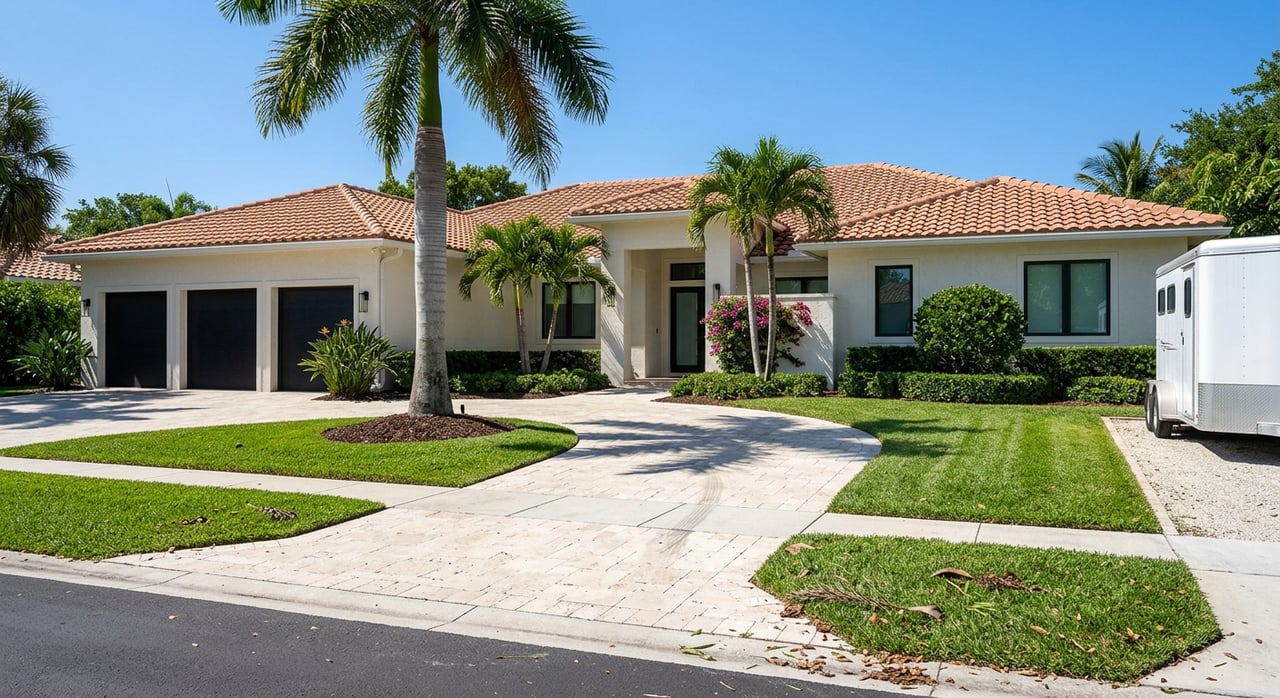
If you are shopping for a home in Wellington, the equestrian season can change your experience more than you might expect. What looks like a typical South Florida home search on paper can feel very different once winter visitors, riders, trainers, and seasonal staff arrive. Understanding that rhythm can help you time your move, set better expectations, and make smarter decisions. Let’s dive in.
Why Wellington’s equestrian season matters
In Wellington, equestrian season is not just a busy weekend or a single annual event. The Village of Wellington says the season begins in November and runs through April, while Wellington International hosts horse shows year-round with more than 40 weeks of shows annually.
The winter stretch is especially important. Wellington International hosts the 13-week Winter Equestrian Festival from January through March, and the Adequan Global Dressage Festival adds another 10 weeks during the same general winter period. That long calendar creates a sustained wave of housing demand instead of a short spike.
The scale is also significant. Wellington says its equestrian community centers on about 9,000 acres in the western and southern parts of the village, and the area can have nearly 13,000 horses at peak season. Palm Beach County also estimated that the 2023 Winter Equestrian Festival generated a $352 million GDP impact, supported 3,364 jobs, and produced 143,755 paid room nights in the county lodging industry.
For homebuyers, that matters because the people coming in for the season do not always stay for a few days. Palm Beach County found that nonresident participants usually stayed about eight weeks. That kind of extended stay can affect both rental demand and the availability of homes in key parts of Wellington.
How buyers feel the seasonal pressure
At a citywide level, Wellington can still look fairly balanced, or even favorable to buyers. Realtor.com described Wellington as a buyer’s market in March 2026, with 699 homes for sale, 525 rentals, a median listing price of $880,750, median days on market of 68, and homes selling about 3.0% below asking on average.
Still, broad market numbers do not always tell the full story if you want a home tied to the equestrian lifestyle. During the season, the tightest pressure is more likely to show up in specific property types rather than across the whole village.
Those higher-pressure categories often include:
- Furnished or short-term rental homes used by winter visitors
- Move-in-ready homes near Wellington International or Equestrian Village
- Horse properties with barns, paddocks, trailer space, and trail access
If you are searching in one of those categories, you may notice stronger competition from November through April than the citywide data suggests. That does not mean every listing becomes a bidding war. It does mean convenience, proximity, and horse-ready features can carry extra weight during the winter circuit.
Which homes are most affected
Not every buyer in Wellington is looking for the same thing, and that is part of what makes this market unique. Some buyers want a condo or low-maintenance home. Others want acreage, barn space, and direct access to equestrian infrastructure.
The price spread reflects that range. Current Realtor.com neighborhood data shows approximate price points around $450,000 in St. Andrews Condominiums, $470,000 in South Shore, $1.10 million in Versailles, $2.8 million in Paddock Park, $3.75 million in Wellington Aero Club, and $4.75 million in Saddle Trail Park.
That gap is important because your budget in Wellington can buy very different lifestyles. A buyer focused on seasonal convenience near the showgrounds may be competing for a very different home than someone looking for suburban space farther away from the equestrian core.
Why true horse properties stay limited
One of the biggest things buyers need to understand is that actual horse-ready property is not unlimited in Wellington. The Village of Wellington says the Equestrian Preserve Area is regulated by the Equestrian Overlay Zoning District, which is designed to preserve Wellington’s equestrian character and support land uses that fit that purpose.
In simple terms, that means supply is shaped not only by what owners decide to sell, but also by land-use rules and private community restrictions. That helps explain why homes with the right acreage, setup, and location can remain in demand even when the broader market offers more choices.
The village also notes that horse farms in Wellington range from 1 acre to 200 acres, with 2-acre and 5-acre parcels being the most common. If you are moving from a traditional suburban market, that is a useful reminder that equestrian property here follows a different pattern than a standard single-family neighborhood.
Timing your home search around the season
If you want the widest selection in equestrian-focused areas, timing matters. Searching during the core season can still work, especially if you need to be in place quickly, but you may need to move faster when the right home hits the market.
If your schedule is flexible, it may help to compare what is available during the season with what comes on after the winter circuit slows down. That side-by-side view can help you decide whether convenience during peak season is worth the tradeoff in competition, pricing, or negotiating leverage.
Touring logistics also matter more than many buyers expect. Wellington International says competitions are concentrated Thursday through Sunday, generally from 8 a.m. to 4 p.m. If you are viewing homes near the major venues, road activity, parking, and general traffic may be busier on show days.
Due diligence matters even more here
In any home purchase, due diligence is important. In Wellington’s equestrian areas, it becomes even more important because you may need to evaluate both community rules and village requirements.
Florida law requires a disclosure summary before a prospective purchaser signs a contract in a homeowners association community. The law says buyers will be subject to recorded restrictive covenants, assessments, and association governing documents, and the contract can be voidable if that disclosure summary was not delivered before execution.
For Wellington buyers, HOA review is only part of the picture. The village also publishes rules and guidance that can affect horse properties and equestrian use. For example, Wellington says manure bins must be containerized and covered, livestock waste must be stored in designated areas, and the Equestrian Preserve Committee advises on land-use decisions, rider and animal safety, flooding, and drainage.
If you are buying a horse property, storm planning should also be part of your review. Wellington publishes hurricane guidance for horse owners that covers vaccination, Coggins testing, identification, and evacuation planning. Those are practical issues, not afterthoughts.
A smart buyer checklist for Wellington
If you are considering a Wellington purchase during or around equestrian season, keep this checklist in mind:
- Confirm whether the property is in the Equestrian Preserve Area or Equestrian Overlay Zoning District
- Review HOA or community rules for rentals, parking, trailers, exterior changes, and animal use
- Verify whether the property is truly horse-ready or would need upgrades
- Ask about drainage, flooding, manure storage, and storm-prep requirements
- Plan tours with seasonal traffic and event schedules in mind
- Compare convenience to the showgrounds against your budget and long-term goals
A home can look perfect online and still fall short if the zoning, access, or use restrictions do not fit your plans. A careful review upfront can save you time, money, and frustration later.
What this means for you as a buyer
The biggest takeaway is simple: Wellington’s equestrian season is part of how the housing market works. It is not just a local attraction. It is a recurring cycle that influences demand, buyer competition, touring conditions, and the appeal of certain homes.
That does not mean you should avoid buying during the season. It means you should go in with a clear plan. When you understand which property types are most affected and why, you can search more efficiently and negotiate with more confidence.
If you are weighing condos, single-family homes, or true horse properties in Wellington, local guidance can make the process much smoother. The right strategy starts with knowing how the seasonal market behaves and matching that reality to your budget, timing, and goals. When you are ready to talk through your next move in South Florida, connect with AJ Bergman for clear, local guidance.
FAQs
How does Wellington equestrian season affect homebuyers?
- Wellington’s equestrian season runs from November through April, and it can create more demand for furnished homes, move-in-ready properties near major venues, and true horse properties.
When is Wellington’s busiest equestrian season?
- The Village of Wellington says the season begins in November and runs through April, with major winter competitions including the Winter Equestrian Festival and the Adequan Global Dressage Festival.
Are horse properties in Wellington limited?
- Yes. The supply of horse-ready property is shaped by Wellington’s equestrian zoning framework, land-use rules, and private community restrictions.
Should buyers review HOA rules in Wellington equestrian areas?
- Yes. Buyers should review HOA documents carefully, especially for rules related to rentals, parking, trailers, exterior changes, and animal use.
What should buyers check before purchasing a Wellington horse property?
- Buyers should confirm zoning, review community restrictions, and evaluate practical issues such as barn setup, manure storage, drainage, and storm-prep needs.
Is Wellington still a buyer’s market overall?
- Realtor.com described Wellington as a buyer’s market in March 2026, but equestrian-focused homes can still feel more competitive during the winter season than citywide numbers alone may suggest.