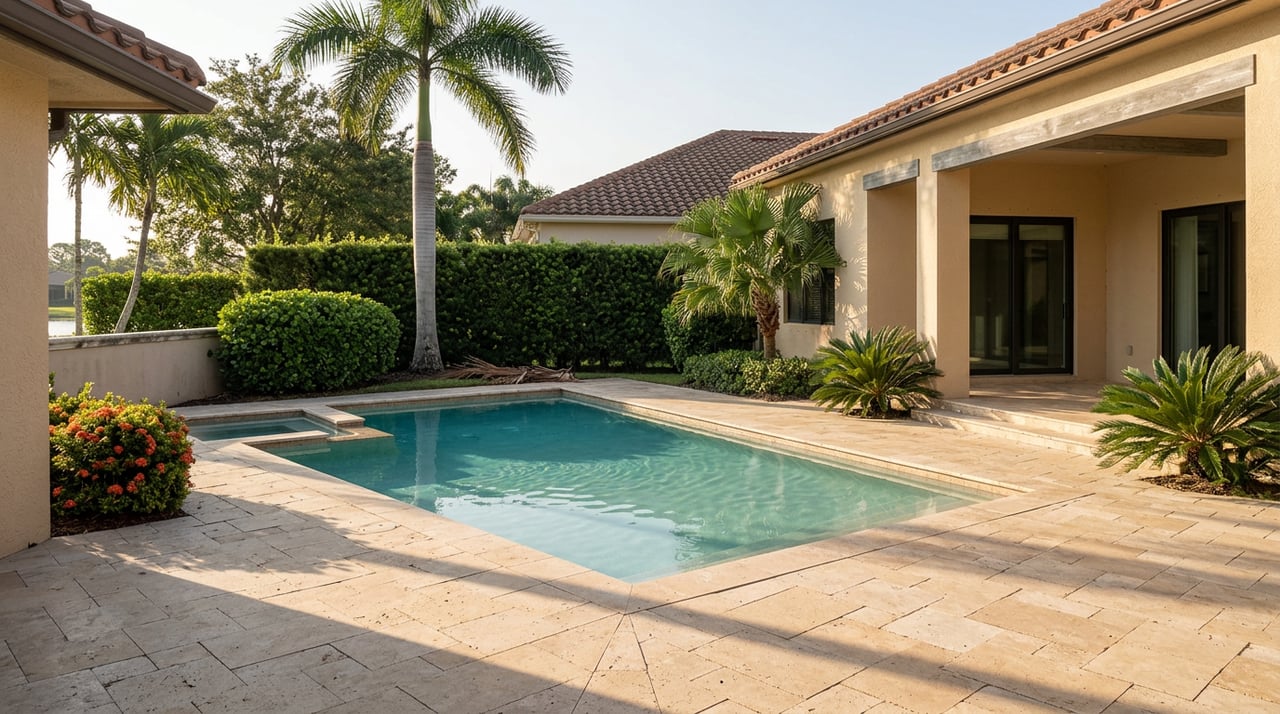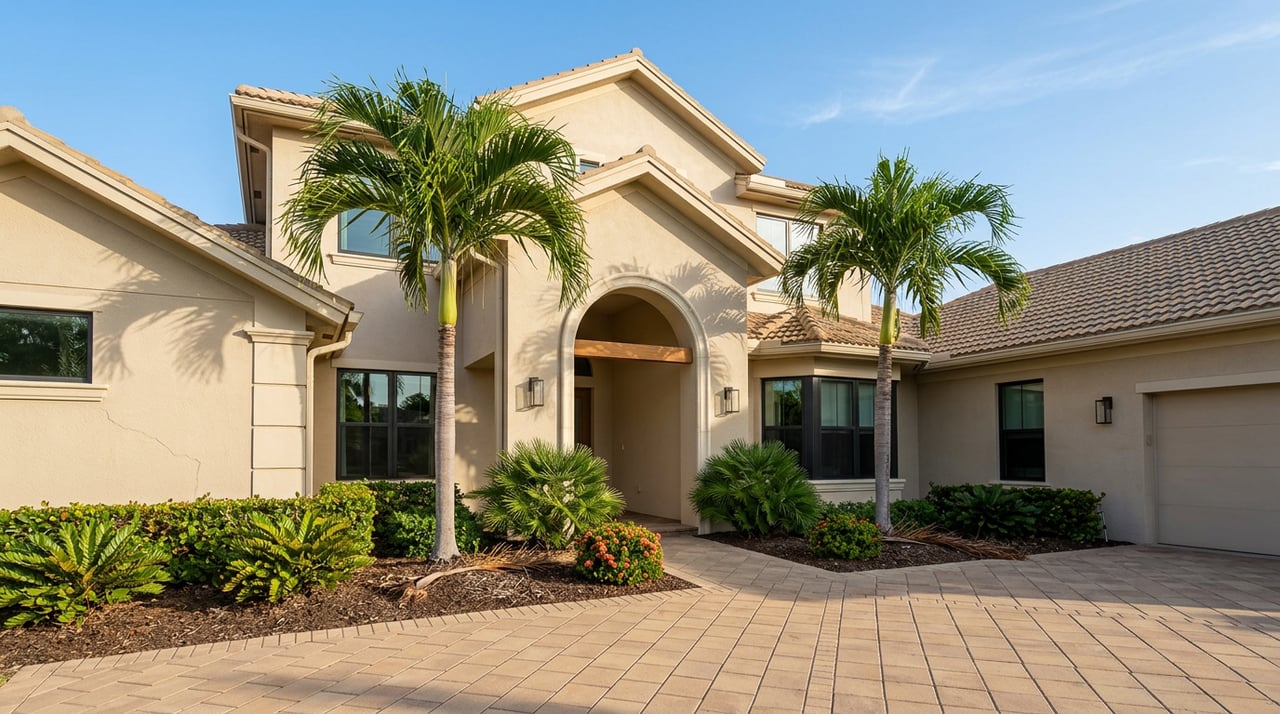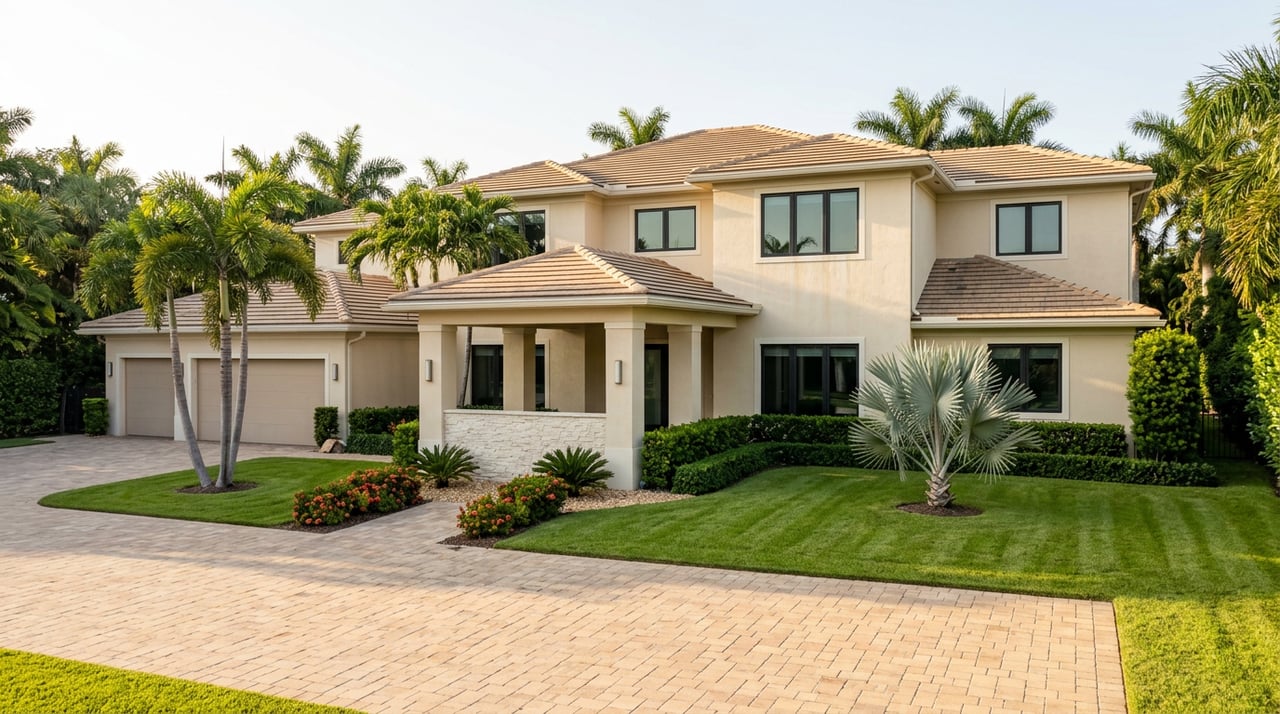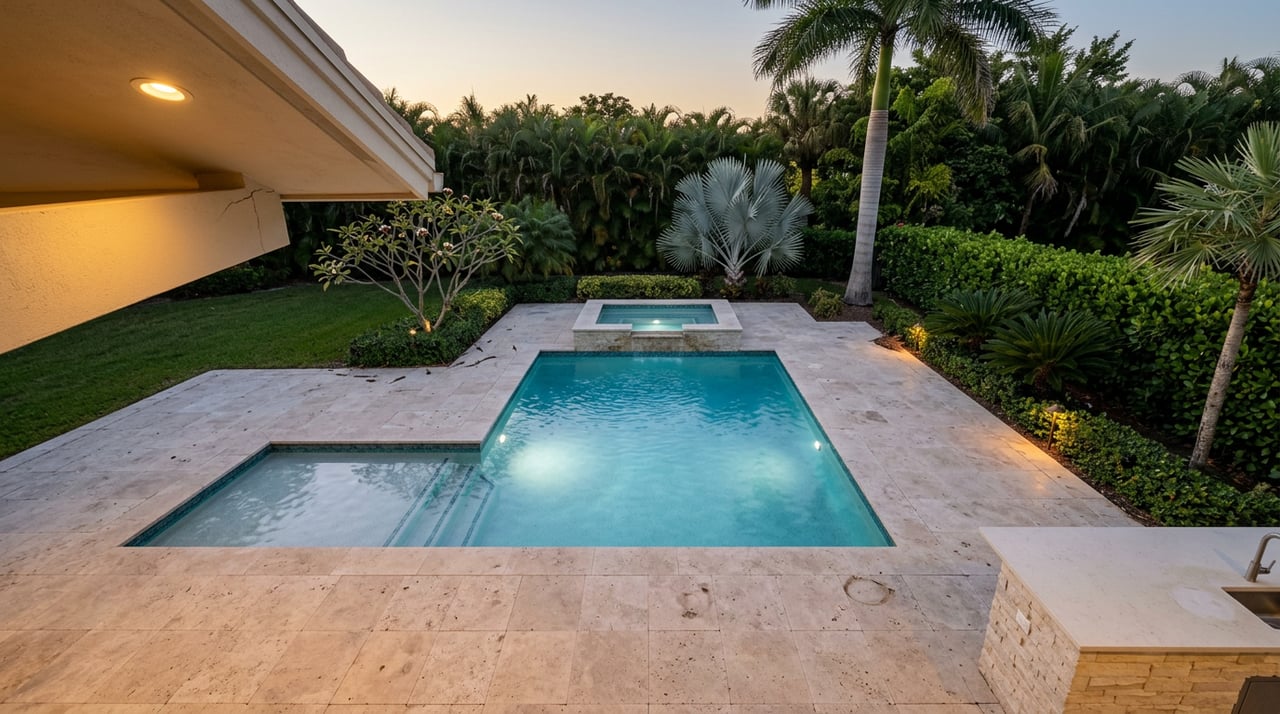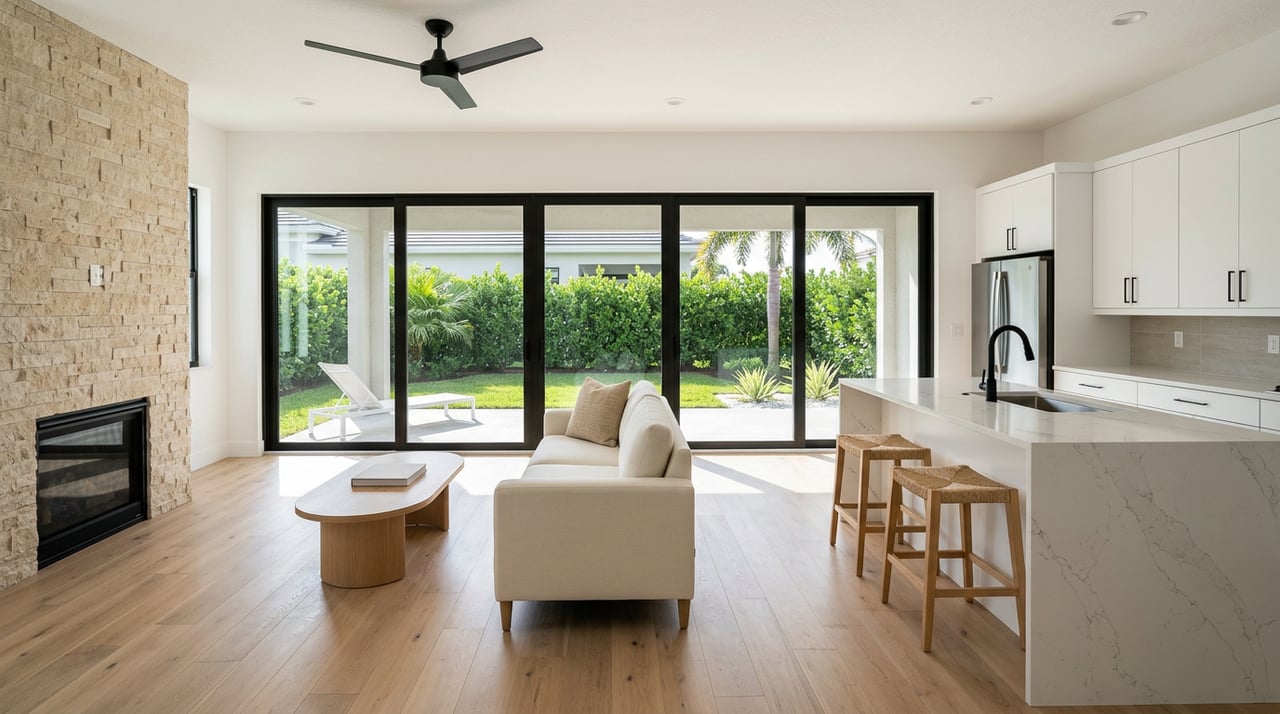
Picture a place where world-class equestrian events meet quiet, tree-lined streets and amenity-rich neighborhoods. If that sounds like your kind of lifestyle, Wellington may be on your shortlist. Buying in one of Wellington’s master-planned communities gives you structure, amenities, and a clear path to the lifestyle you want. In this guide, you’ll learn how these communities work, what to look for in HOAs, and how to evaluate equestrian and planning details that can shape your day-to-day life. Let’s dive in.
Why Wellington stands out
Wellington is known worldwide for its equestrian season anchored by the Winter Equestrian Festival and the Global Dressage Festival. If you value proximity to showgrounds, barns, and bridle trails, you will find Wellington’s network of facilities and events unmatched in South Florida. You can explore upcoming competitions and seasonal context through the official site for the showgrounds at Wellington International.
The Village of Wellington actively manages land use, especially within and around the Equestrian Preserve. Large residential and equestrian proposals move through public agendas, which helps protect neighborhood compatibility over time. You can review current and past agenda items on the village’s Legistar meeting portal.
Community types at a glance
Wellington’s master-planned neighborhoods vary widely. Knowing the major categories helps you narrow your search quickly.
Country-club and resort-style
These gated communities often feature estate homes, larger lots, and on-site club amenities like golf, dining, and social programming. Some require separate club dues in addition to HOA assessments. A well-known example is Palm Beach Polo & Country Club, which offers a resort-like setting with private facilities.
Family-oriented, amenity-rich
You will find many gated neighborhoods with community clubhouses, pools, fitness centers, playgrounds, and sports courts. These areas offer organized social spaces and low-maintenance common areas, which is helpful if you want amenities without managing them on your own. Floor plans usually range from townhomes and villas to 4 and 5 bedroom single-family homes.
Equestrian estates and acreage
If you need on-site barns, arenas, or turnout, look at equestrian-focused enclaves and acreage properties near the Equestrian Preserve and in neighboring rural areas. Lot size, zoning, and connectivity to bridle trails matter here. Many buyers balance proximity to showgrounds with privacy and space for horse facilities.
New master-planned and infill projects
Wellington periodically reviews large proposals that blend single-family homes, townhomes, and recreation features. These projects can change local traffic patterns and access to amenities over time. If you are buying near an active proposal, follow approval updates from local planning sources such as this approval summary for a major Wellington plan.
Amenities and home features
Across Wellington’s planned communities, you will commonly see:
- Guarded or staffed gates and well-maintained entries
- Clubhouses with resort-style pools, fitness rooms, and community event spaces
- Tennis and pickleball courts, playgrounds, and walking or biking paths
- Lakes, landscaping, and irrigation managed through the HOA
- Options from 2 to 4 bedroom townhomes and villas up to 5+ bedroom estate homes with 3-car garages and private pools
For equestrian access and lifestyle, consider:
- Bridle-trail connectivity and proximity to seasonal events at Wellington International
- On-site barns, stalls, arenas, and fenced turnout where permitted
- Recorded easements that allow trail access across neighboring parcels
If barns or arenas are essential to you, ask for the recorded plat and HOA documents that define any trail easements or use restrictions.
HOA 101 and what to request
Most master-planned communities in Wellington are governed by homeowners’ associations. Florida’s Chapter 720 provides a framework for owner rights and association duties. Before you buy, plan to review the governing documents and the association’s financial health. You can read the statute on Florida’s HOA official records and governance.
Key steps and records to request:
- Official records and budgets. Associations must keep official records and make them available to owners and their designees within set timeframes. Ask for governing documents, current budgets, financial statements, insurance policies, and recent minutes.
- Estoppel certificate. This document shows assessments, fees, and compliance status. Florida law sets delivery timelines and fee limits. Order the estoppel early to avoid delays, and learn more about timing and fees in this overview of Florida estoppel requirements.
- Reserves and upcoming projects. Low reserves or deferred maintenance can lead to special assessments. Minutes should flag any large capital projects, litigation, or planned rule changes.
- Everyday rules. Review ARB guidelines, exterior standards, parking rules, rental policies, pet limits, and guest access. These vary widely, even among similar-looking gated neighborhoods.
Equestrian zoning and infrastructure
Wellington’s Equestrian Preserve and related committees help guide land uses that support riding and show operations. That means changes to showgrounds or to preserve boundaries are typically discussed publicly. If you plan to keep horses or run a training operation, confirm permitted uses for the specific parcel and community. You can monitor public discussions and decisions via the village’s meeting portal.
Practical checks for equestrian buyers include:
- Recorded permits for barns and arenas
- Septic versus sewer details for wash areas and manure management
- Drainage controls, setbacks, and fencing standards
- Trailer parking rules and access for service vehicles
Infrastructure and maintenance work in nearby districts can affect arena drainage and turnout conditions. For example, local field and canal repairs are documented in public sources like this district maintenance update. Always confirm how county or special-district rules apply to your parcel.
Market context and nearby options
Wellington is a higher-end inland market with a large share of gated and equestrian neighborhoods. If you want more acreage and a rural feel, nearby areas like Loxahatchee, The Acreage, and Loxahatchee Groves offer larger lots and different utility services. If you prefer a broad mix of suburban communities at a range of price points, Royal Palm Beach is a common comparison. For buyers who prioritize golf clubs and coastal access, Palm Beach Gardens can be a strong fit. Your choice should come down to the lifestyle you want and the time you plan to spend near showgrounds, golf courses, schools, and major roads.
Due diligence checklist for Wellington buyers
Use this as a starting point before you make an offer:
- Request HOA documents. Ask for the recorded CC&Rs, bylaws, rules, ARB standards, and any master plus sub-association structure that affects fees or amenities.
- Order the estoppel early. Estoppel letters disclose assessments, fines, and compliance status. Review delivery timelines and fee rules in this overview of Florida estoppels.
- Review budgets and reserves. Read the current budget, recent financials, reserve study, and the last 12 months of board minutes. Look for large projects or lawsuits that may lead to assessments.
- Verify flood zone status. Palm Beach County has updated flood maps in recent years. Check your parcel’s status and potential insurance impacts using the county’s flood zone update page.
- Confirm zoning and permits. If you need horse facilities, verify permitted uses with the Village and review any equestrian overlay or PUD notes. Track public actions on the village portal.
- Check schools and commute. If school zoning is part of your decision, verify assigned schools using the district’s Find My School tool. Test commute times during peak hours.
- Inspect home and equine systems. In addition to a standard home inspection, consider an equine-facility inspection for barns, arena footing, drainage, fencing, and electrical.
- Confirm village resources. Use the Village of Wellington’s official site to access public notices, permits, and contact information.
Planning items to watch
Large proposals related to the showgrounds and nearby residential pods have moved through a multiyear review process. These plans can influence traffic, seasonal activity, and neighborhood character. For context, review this overview of a major Wellington proposal and approvals and keep tabs on live agendas through the village’s meeting portal.
Flood map updates for Palm Beach County have also changed designations for many parcels, which can affect lending and insurance. You can read county guidance and look-up resources on the flood zone update page.
Smart buying strategies
- Visit in and out of season. If you care about equestrian activity, tour during peak season to experience event traffic and shuttle patterns, then return off-season to compare pace and noise.
- Match your lifestyle to the HOA. If you value privacy and flexibility, focus on larger-lot or equestrian areas. If you want resort-style amenities, target communities with robust clubhouse programming and facility maintenance.
- Budget beyond the mortgage. Include HOA assessments, possible club dues, flood insurance, and reserves for future assessments in your cost plan.
- Read the rules early. Rental, pet, vehicle, and exterior standards can shape your daily life. Ask for the ARB manual and confirm any improvement plans before you commit.
- Monitor public updates. Keep an eye on major proposals and Equestrian Preserve items that may change traffic or amenities near your target neighborhood.
- Lean on local guidance. A hands-on local broker can help you source on and off-market options, coordinate document review, and time your offer around HOA schedules and seasonal dynamics.
Wellington’s master-planned communities offer a clear recipe for lifestyle, convenience, and value. With the right due diligence, you can enjoy resort-level amenities or equestrian access in a neighborhood that fits your goals.
If you want a clear, step-by-step path to the right Wellington home, connect with AJ Bergman for local guidance, smart negotiation, and a turnkey experience from search through closing.
FAQs
What defines a master-planned community in Wellington?
- A large-scale neighborhood with coordinated amenities, shared governance through an HOA, consistent design standards, and planned infrastructure for daily living.
How do HOAs in Wellington manage records and fees?
- Florida law requires HOAs to keep official records and provide access within set timelines, and estoppel certificates disclose assessments and compliance items at closing.
What should equestrian buyers verify before making an offer in Wellington?
- Confirm zoning and permitted uses, recorded barn and arena permits, manure and drainage plans, and any trail easements or equestrian overlay notes in the documents.
How could new showgrounds proposals affect me as a buyer in Wellington?
- Major proposals can change traffic, seasonal activity, and demand near certain neighborhoods, so review village agendas and approvals before finalizing a purchase.
Do I need flood insurance when buying in Wellington?
- It depends on your parcel’s flood zone and lender requirements, so check county flood maps and budget for premiums if insurance is required or prudent.
What is an HOA estoppel certificate in Florida and why does it matter?
- It is a document from the association that shows assessments, fees, and violations, and ordering it early helps prevent closing delays and surprise costs.